


3 Popular Approaches To Brand Change Defined
May 10, 20161 min
When it comes to major marketing moves there is a clear and enduring hierarchy of pain.
When it comes to major marketing moves there is a clear and enduring hierarchy of pain.

You will recall the rather sad story of Abercrombie & Fitch. The once all-powerful fashion retailer declined as a result of ageing customers, bizarre management edicts and over exposure. The company has endured 11 consecutive quarters of declining sales and, in perhaps the most painful blow yet, recently recorded the lowest ever score on the annual ACSI assessment of retailer popularity.
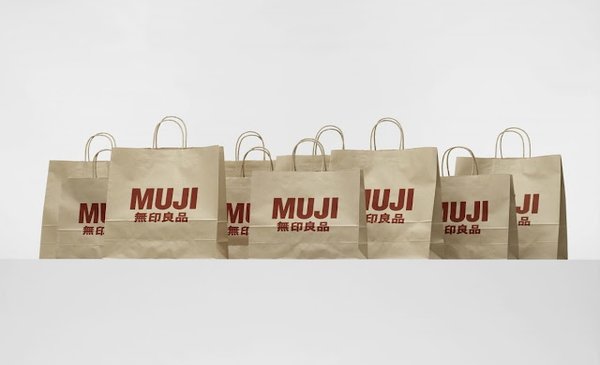
Everywhere you look today it seems, there are people and brands only too keen to spell out exactly what they think and what they want you to know, in the loudest terms possible. As the volume continues to climb, can you even be a quiet brand today?

Ever since the massive success of the Intel Inside initiative, the power and potential of ingredient branding has been well understood. As the name implies, ingredient branding means giving a component of a product its own brand identity. It can be a tantalizing proposition for those looking for new ways to differentiate.

Ever since the global financial crisis, global markets seem to have become more volatile. Oil prices rise and crash; China’s growth soars and slides. When market dynamics are this dramatic, how should you look to effectively develop a brand? Do you go with the ebb and flow, or act as a beacon of constancy?

