


Brand Loyalty Changes The Economics Of Growth
August 31, 20269 min
What do United Airlines, YUM! Brands, Kohl’s, Ulta Beauty, and Estée Lauder have in common? Their leaders are talking about brand loyalty as a driver of business performance.
What do United Airlines, YUM! Brands, Kohl’s, Ulta Beauty, and Estée Lauder have in common? Their leaders are talking about brand loyalty as a driver of business performance.
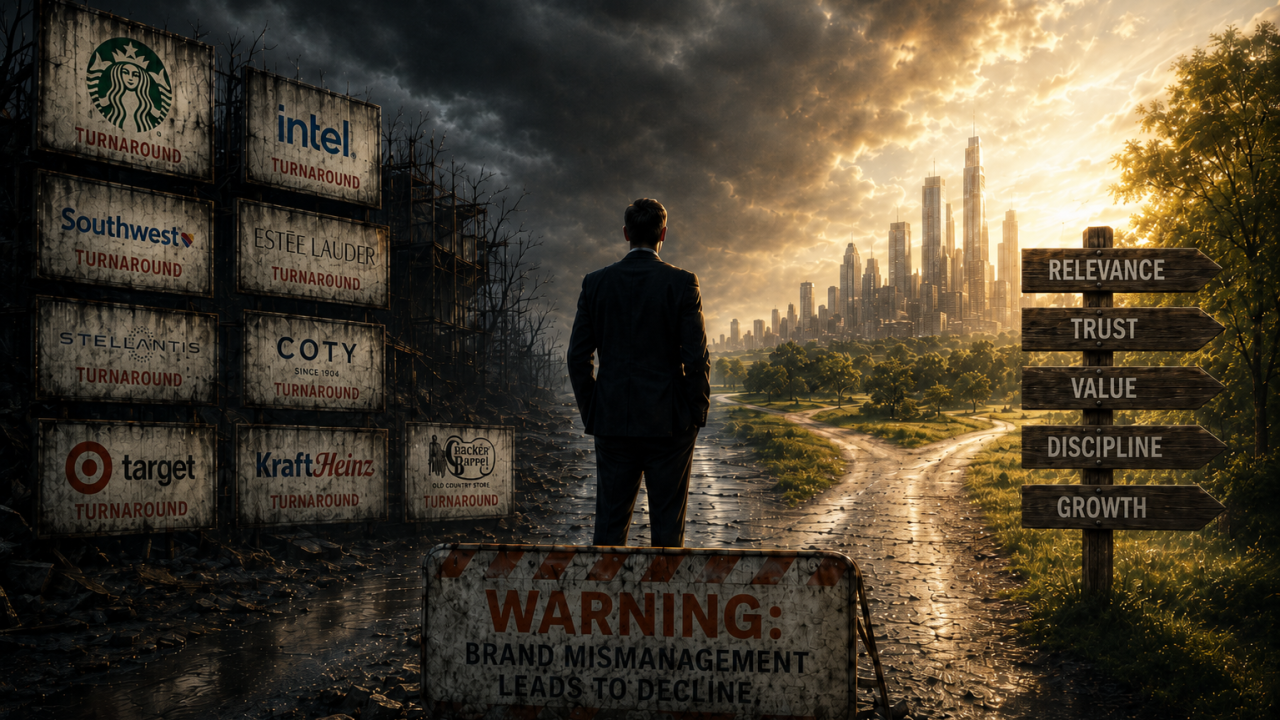
Corporate jargon is pretty miserable. Executives use euphemisms and empty phrases to cover up the truth. Reading an earnings report is sometimes the equivalent of nails scratching on a blackboard. The generic puffery of language – employed to dull our senses and calm our expectations – is numbing.

The one thing we marketers want more than anything else is people’s time. We have all kinds of metrics to track it. Indeed, it’s the thing we track most, more so than spending and usage.
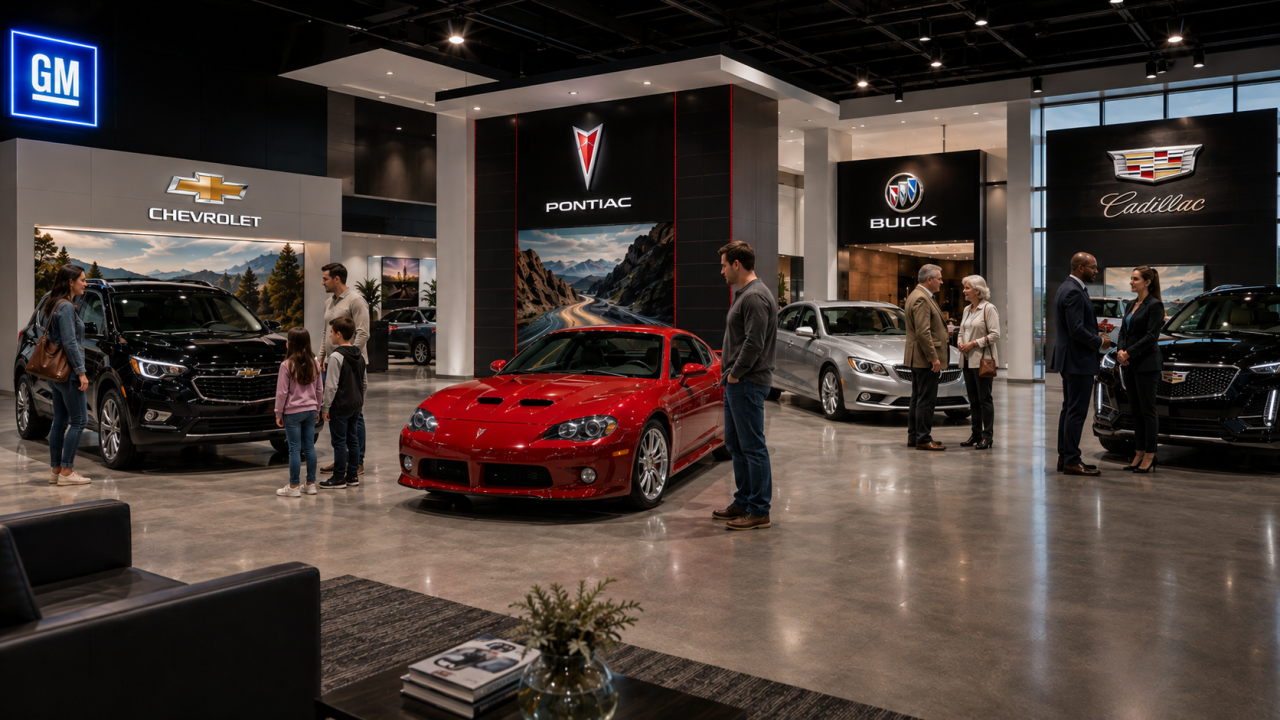
It is difficult to avoid politics these days. Right now, both political brands are becoming parties that do not stand for anything but stand against everything or stand for everything. Having a relevant, differentiated brand promise applies whether you are a political entity or a packaged goods offering.

There are brands we genuinely love choosing. They make our work easier. They help us perform better. They may even say something meaningful about who we are. In the beginning, the dynamic is simple and elegant: the brand creates real value, and in return, we grant it our preference.

