

Brands Grow With Empathy
August 11, 20163 min
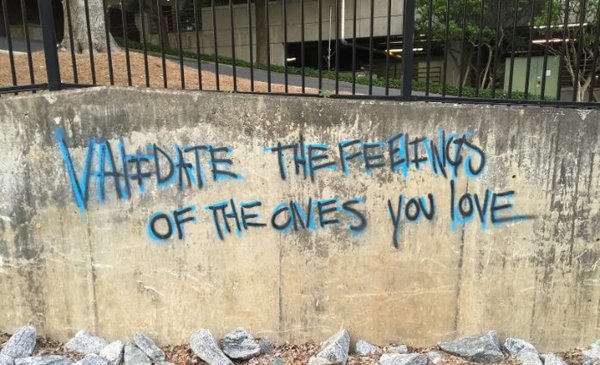
I don’t care for graffiti, but on a morning walk I spotted one scribble that shares a profound bit of truth – not only about interpersonal relationships but also about branding.
I don’t care for graffiti, but on a morning walk I spotted one scribble that shares a profound bit of truth – not only about interpersonal relationships but also about branding.
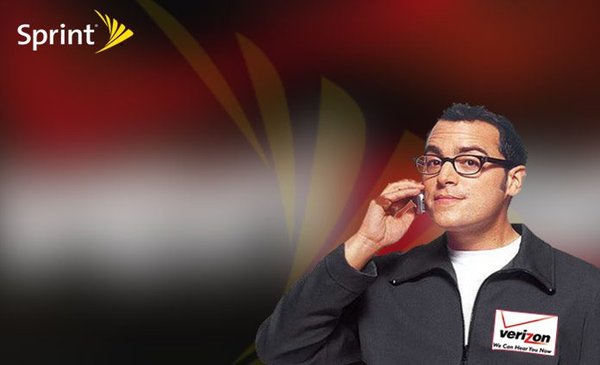
Between 2002 and 2011, the Verizon brand spent billions in ad media accomplishing two things quite well: Keeping it in a competitive horse race with rival AT&T and burning the question “can you hear me now?” as well as the likeness and voice of their iconic horned-rim glasses “test man” Paul Marcarelli, into the national psyche. For nine years, the “can you hear me now” guy and the Verizon brand became one in the same.
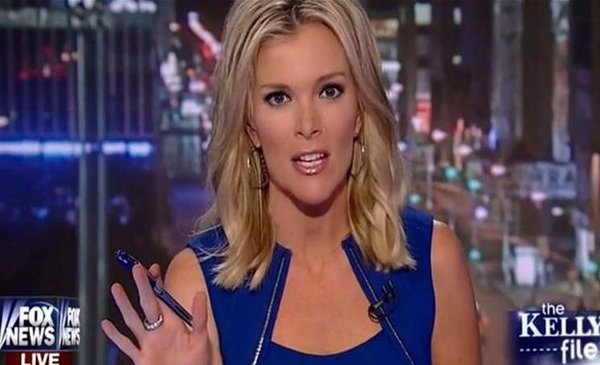
Last week on Branding Strategy Insider we explored How the Fox News brand reached cult status and we looked at how this media giant did several crucial things right to become the most profitable cable news outlet on Television.
For marketers, customer loyalty has always been considered the ultimate goal. To reach it, one must first follow the “marketing funnel” by creating awareness for their products or services, stimulating trial, incentivizing repeat purchase, and, over time, maintaining a loyal customer base.
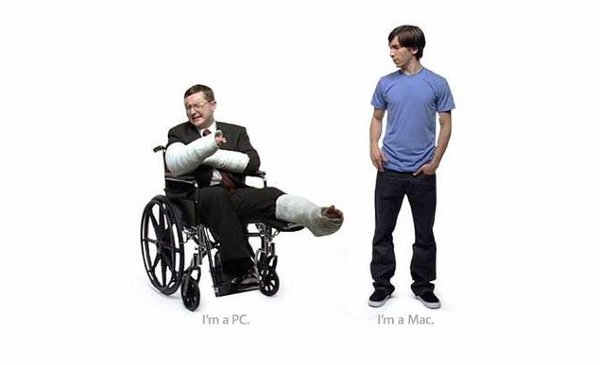
Very often in developing brand strategy, marketers studiously consider the competition, but seldom consider the alternatives to their brand. They don’t have to be the same thing. In fact, sometimes the alternative to choosing the brand may be to simply “do without” or “do something else.” And if we’re honest with our desired customer, and ourselves, considering the alternatives may be a logical and even desirable course of action in some cases.