

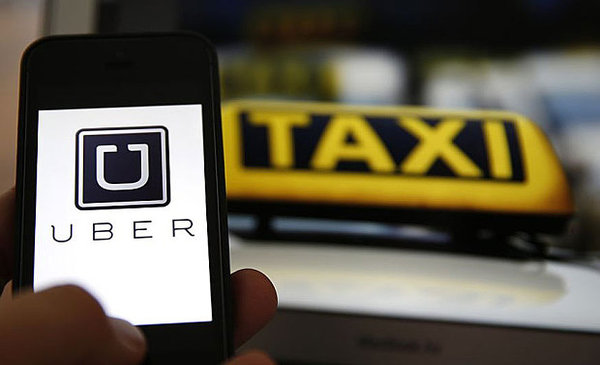
Uber’s New Identity Exposes Brand Weakness
February 24, 20164 min
Good news this week for the world’s taxi drivers. Suddenly after months of aggressive market expansion Uber looks vulnerable and all of it is self-inflicted.
Good news this week for the world’s taxi drivers. Suddenly after months of aggressive market expansion Uber looks vulnerable and all of it is self-inflicted.
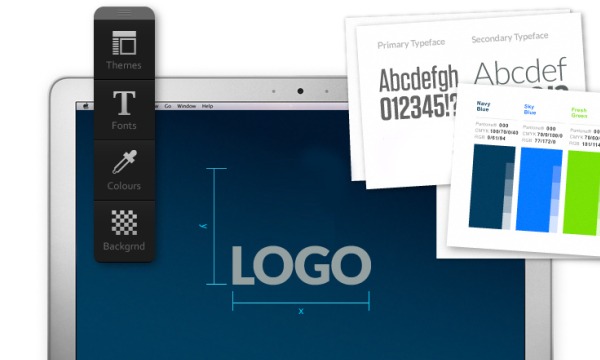
Pitch a new brand identity system to almost any large company with multiple divisions and inevitably someone will plead to be an exception to the new rules. This is particularly true where brands or divisions have had their own identity in the past. Attempts to consolidate a myriad of “brands” into a consistent brand identity system or to replace a whole portfolio of marques with a single power brand will be met with varying volumes...
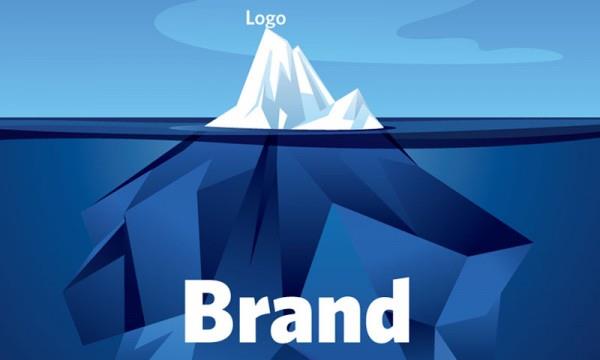
Are there such things as brands in much of the Government sector? I don’t think there are. That’s a good thing. And here’s why.
Somewhere along the line, the word “branding” got mixed up with “logo”. While it’s an established fact that brands are far more than logos, it seems that creating visual identities with rich emotional character and authentic connection still eludes many marketers. For many marketers, the discipline of creating visual identity has been reduced to mere decoration.
In The Great Gatsby, F. Scott Fitzgerald writes, “Personality is an unbroken series of successful gestures.” Similarly, a brand is the result of an unbroken series of consistent gestures, encompassing both what it does and how it does it.


