
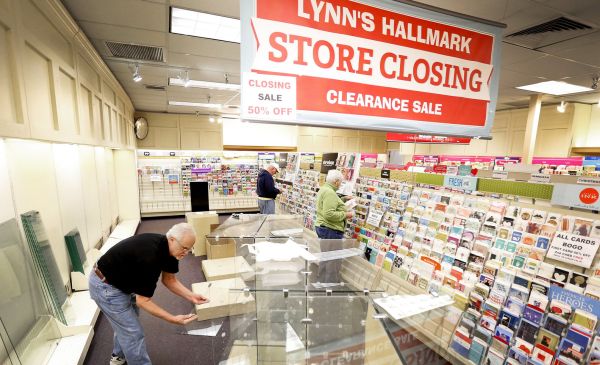
When I was named director of brand management and marketing at Hallmark, most of the company’s leadership team viewed the company as a greeting card manufacturing company.

When I was named director of brand management and marketing at Hallmark, most of the company’s leadership team viewed the company as a greeting card manufacturing company.
Trademarks, like brands, build strength over time. The test for trademark infringement is “confusing similarity.” Put another way, if the average consumer believes both products to have come from the same source, there is infringement.

I was talking with a business associate of mine today. She is working with an organization that has grown from a start-up to a company with more than 1,000 employees. The organization produces high quality products and is growing rapidly however to the CEO’s credit, he is noticing chinks in the company’s armor, chinks that are due to organization growth and size.
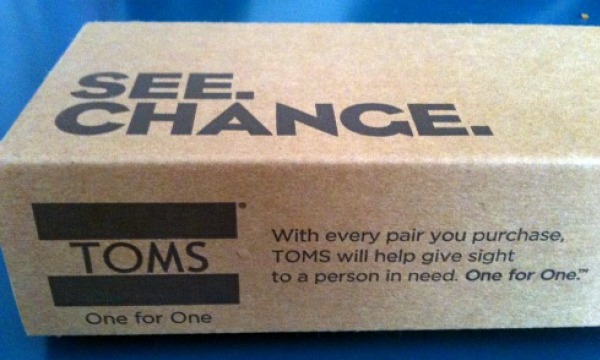
In The Blake Project’s line of work (brand consulting) we spend most of our time helping organizations identify and develop the most advantageous brand strategies and brand promises. But of equal, and perhaps greater, importance is consistently delivering on those strategies and promises over time.

I mentioned previously that branding goes as far back as recorded history. However, in the modern era, outside of brand identity development, brand management activities were largely confined to consumer packaged goods companies such as General Mills, Kraft Foods, Nestle, P&G and Unilever. Then, in the mid-to-late 1990s, companies began to realize that their corporate brands were assets of great value that needed to be managed and leveraged.